
Cast iron gas distribution mains continue to serve critical roles in many urban systems, particularly in medium and large diameter applications. While the material has proven durable over decades of service, one persistent challenge remains: joint leakage—especially during winter months.
As temperatures drop, utilities often see a noticeable increase in leak activity tied to cast iron joints. These winter-driven leaks place added pressure on operations teams, O&M budgets, and public-facing infrastructure. Understanding why these leaks occur—and how to respond more effectively—is key to managing aging cast iron assets.
Why Cast Iron Joint Leaks Are More Common in Winter
Cast iron mains rely on bell-and-spigot as well as mechanical joints. While effective at the time of installation, these materials are sensitive to environmental and mechanical changes over time.
Key winter-related contributors to joint leakage include:
Thermal contraction: Cold temperatures cause both the cast iron pipe and joint sealing materials to contract. This differential movement can reduce sealing pressure at the joint, creating leak paths for gas.
Soil movement and frost heave: Freeze-thaw cycles lead to soil expansion and contraction. As the ground shifts, stresses are transferred to rigid cast iron pipes, often concentrating at joints rather than along the pipe barrel.
Aging joint materials: Over decades, joint packing materials lose elasticity and resilience. Winter conditions exacerbate this degradation, increasing the likelihood of leaks under mechanical or thermal stress.
The result is a predictable seasonal spike in joint-related leaks—often occurring just as repair conditions become most difficult.
The Challenges of Reactive Leak Response in Winter
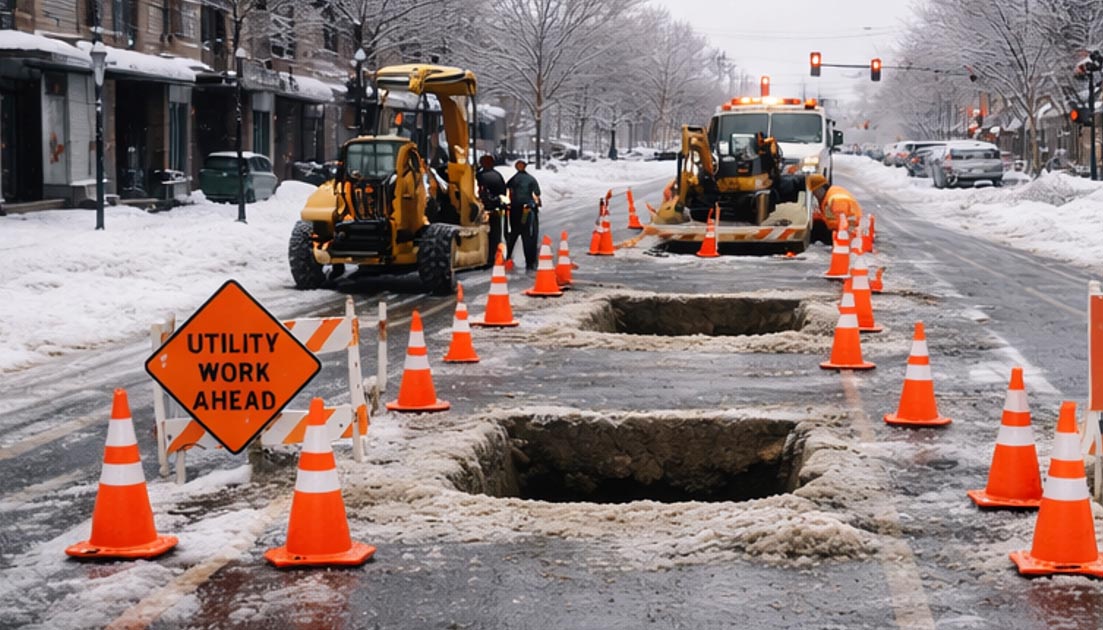
When a cast iron gas leak is identified, utilities must respond quickly to maintain safety and compliance. In winter, however, reactive leak response becomes significantly more complex and costly.
Excavation challenges
Traditional joint repair methods require external excavation. For medium and large diameter mains, this means:
- Larger excavation footprints
- Frozen ground and pavement
- Increased equipment and labor requirements
- Longer restoration timelines
- Asphalt plants may be shut down
Cost and O&M impact
Winter excavation drives higher costs due to:
- Reduced productivity
- Overtime labor
- Temporary paving and cold-weather restoration
- Traffic control and public coordination
Safety and community disruption
Cold weather, reduced daylight, and icy conditions increase safety risks for crews. At the same time, large excavations in dense urban areas disrupt traffic, businesses, and residents—often drawing heightened public scrutiny during winter months.
These factors make winter joint leaks one of the most expensive and operationally challenging leak types to address using conventional methods.
Internal trenchless repair technologies offer an alternative approach: addressing leaks at the joint from inside the pipe, without exposing the asset.
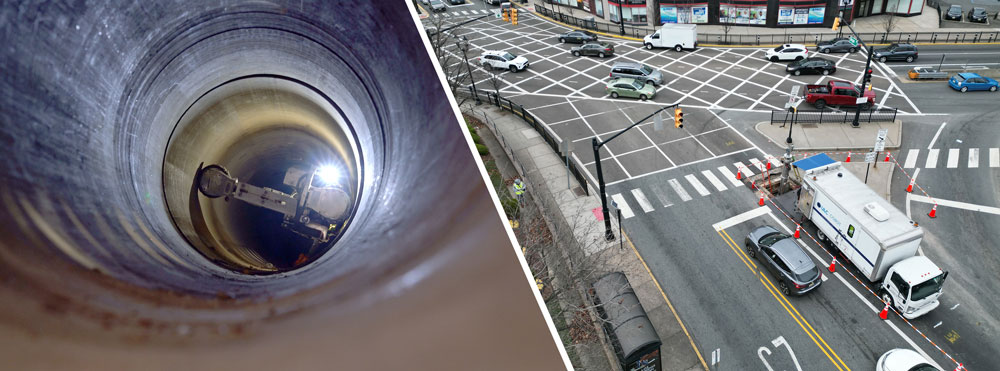
CISBOT: A Proven Solution for Winter Joint Leak Response
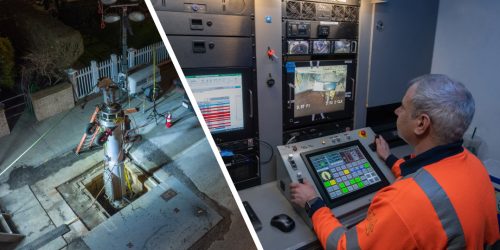
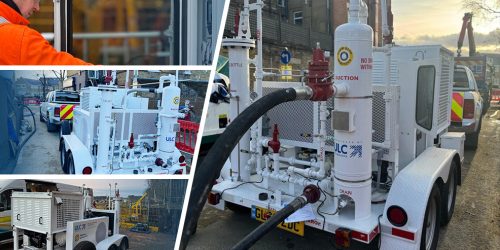
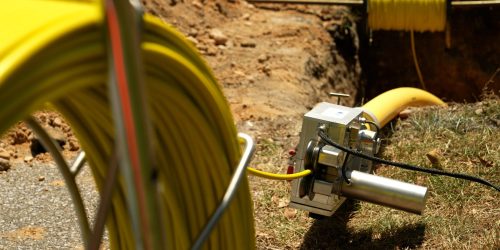
CISBOT is a robotic system designed to internally seal leaking joints in 12″-48″ cast iron gas mains while the main remains in service. This solution enables the repair of any actively leaking joints as well the proactive reinforcement of other joints—all from a single excavation.
For winter leak response, this approach offers several practical advantages:
- Minimal disruption: Access the main through a small entry point rather than a full exposure at every joint to be repaired
- Live-gas repair: No shutdowns or service interruptions
- Reduced winter risk: Less time working in frozen ground and harsh conditions
- Lower overall repair cost: Spread the cost of excavation across multiple joints to reduce your cost per joint
- Asset life extension: Blending reactive leak response and proactive joint repair internally restores integrity and reduces repeat leak activity
By shifting from large, reactive one-off joint repair excavations to targeted internal joint repair over targeted section of the gas main, CISBOT enables utilities to respond more efficiently to winter-driven joint leaks while controlling costs and minimizing public impact.
Contact our team to discuss integrating CISBOT into your leak response program.